Beyond the Bid: The Concrete Lifter’s Guide to Value-Based Pricing
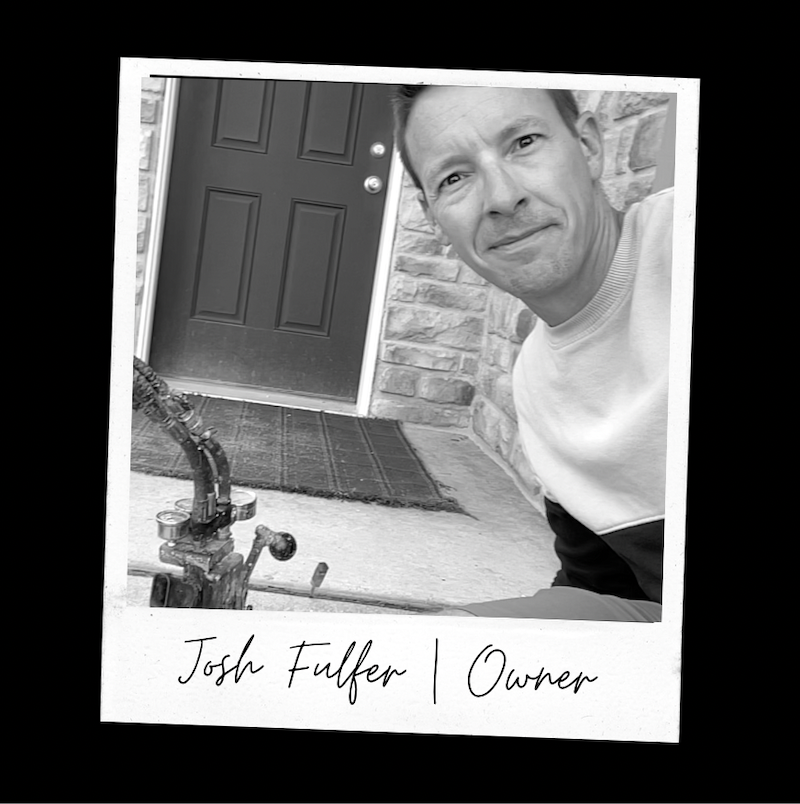
 By: Josh Fulfer
Estimated Read Time: 6 Minutes
When I bought my first house, the front walkway was sinking. I called around for quotes. One lifter looked it over and handed me his business card—price scribbled on the back. No breakdown. No explanation. That moment shaped how I saw the industry: too many good operators losing trust (and profit) because the presentation didn’t match the value.
Why Competing on Price Is a Losing Game
Most lifters start with time & materials or whatever the Estimate Rocket software suggests. It feels fair, but it punishes skill. The faster and better you get, the less you “should” charge on paper. Meanwhile, customers aren’t thinking about your foam cost or labor hours. They care about safety, speed, and disruption:
- Risk: “What if someone trips and gets hurt?”
- Replacement cost: “What would a tear-out run me?”
- Timeline: “How soon can I use this again?”
- Disruption: “Is this going to be a mess that messes up my yard?”
That’s why value-based pricing wins. You charge for the outcome, not just the inputs.
What Value-Based Pricing Really Means
Value-based pricing anchors your number to the result you deliver. For a homeowner, that’s a safe, usable space tonight—not weeks from now. For a business, it’s avoiding downtime and lost revenue. For cities, it’s ADA compliance without ripping out blocks of concrete.
The Pizza Shop Lesson (Commercial)
One of our partner clients called about a pizza restaurant under construction. Heavy rain had settled the slab; replacement bids were coming in around $70,000 with weeks of delay. He planned to quote $25,000 (calculator math) but felt it might be low.
We reframed the situation: “You’re not just fixing concrete—you’re saving the build.” He anchored against replacement and delay and bid $40,000. The owner didn’t blink. He won it—full price. That mindset shift added $15,000 to the job without gouging anyone. It was still the better solution.
Full story here: Know Your Worth: The $15,000 Lesson for Concrete Lifters.
A Residential Win (Driveway Safety)
Another client quoted a driveway where a panel had sunk and created a trip hazard right where the kids played. Replacement quotes sat near $12,000. His first instinct, based on time & materials, was $2,500.
We stepped back. The real value was family safety, same-day use, and maintained curb appeal in a high-standard neighborhood. He presented the outcome and quoted $4,000:
“Replacement’s about $12,000 and weeks of disruption. I can fix this in one afternoon for a fraction of that, and your kids can be out here tonight.”
The homeowner signed on the spot. That extra $1,500 covered marketing and added margin—while the client felt they won.
Professionalism = Pricing Power
Back to that scribbled number on a card: the issue wasn’t price—it was perception. Clean truck, branded shirts, clear estimate on an iPad, and a simple one-page proposal that explains the problem, the risks, and the outcome—these build trust fast. Trust lets you charge what the result is worth.
- Before/After proof: show similar lifts.
- Risk removed: trip hazards, water intrusion, ADA exposure.
- Timeline: same-day or next-day use.
- Reviews: fresh social proof and reviews this month.
As we shared in the pizza shop write-up, presentation and confidence can be the difference between a $25K bid and a $40K win—without a single shortcut.
Change the Conversation on the Job Site
Don’t sell a task. Sell the result. Here’s the shift:
Old
“We’ll inject foam under the slab and level it.”
New
“Replacement would run about $12,000 and drag on for weeks. We’ll lift it today for a fraction of that, with no demo, and you’ll use it tonight. And your kids won’t trip over that lip while they’re playing basketball.”
Protect the Business You’re Building
Low-ball numbers keep you busy, but they don’t keep you free. Thin margins block hiring, training, equipment, and your own paycheck. Value-based pricing protects profit so you can bring on a tech, step off the rig more often, and focus on growth.
The Shift Starts with You
Most price fear is internal. Don’t cut your number before the client reacts. Do this instead:
- Run your time & materials baseline for cost control.
- Anchor against the alternative (replacement, downtime, safety risk).
- Quote the outcome—then add 10–20% and stand behind it.
You’ll be surprised how often the answer is “yes.”
Wrap-Up: Step Beyond the Bid
My first-house walkway experience taught me what the industry often lacks: professional presentation. The pizza shop job showed what happens when you price for outcomes: +$15,000 in profit and a grateful client. The driveway story proves the same lesson at home: clear value beats cheap numbers.
Your price isn’t a scribble on the back of a card. It’s a reflection of the risk you remove, the time you save, and the confidence you deliver. Step beyond the bid. Know your worth. Charge like a pro, and make the money you deserve.