How to Handle New-Construction Voids: A Guide for Concrete Lifters
 By: Josh Fulfer
Estimated Read Time: 6 Minutes
If you stay in this business long enough, you’ll get that call — the one every concrete lifter knows:
“We bought a new house last year… we pulled up part of the patio and found a huge void. Builder says it’s fine. We’re terrified it’s going to fail.”
And here’s the truth:
These aren’t jobs to fear. They’re some of the easiest, highest-trust, highest-value projects you’ll ever do — if you know how to approach them.
Today’s article walks you through exactly how to do that. We’ll cover:
- Why new slabs settle and develop big voids
- What homeowners are REALLY worried about
- How to explain the issue in clear, simple language
- How to recommend the right fix (without overselling)
- How to price these jobs with confidence
- Why this deserves a dedicated page on your website
Let’s get into it.
1. Why New-Construction Slabs Get Voids (Simple Explanation You Can Use)
Here’s the line you can use with customers:
“This happens when builders pour concrete before the soil has finished settling. It’s extremely common — and it doesn’t mean your home was built wrong.”
Then explain the real causes in plain English:
- Fresh fill dirt wasn’t compacted enough
- The yard wasn’t graded properly
- Heavy patios, pillars, or fireplaces were added later
- Water runs toward the house and washes soil away
- Seasonal shrink-swell cycles opened a gap under the slab
New homeowners panic because they think the concrete could collapse. Your job is to help them understand what’s happening — calmly and confidently.
This is why having problem-specific pages on your site matters. A homeowner searching “void under new patio” wants someone who understands this exact issue.
2. What Homeowners Are Really Nervous About
You’re not just fixing concrete — you’re fixing fear.
Here are the thoughts behind almost every call like this:
- “What if this keeps getting worse?”
- “Is my builder hiding something?”
- “What if the slab snaps and causes more damage?”
- “Is my patio dangerous?”
- “Do I need to rip it out?”
If you speak directly to the fear, you win the job.
3. The Calm, Confident Way to Explain the Issue
Here’s a script you can literally copy:
“The slab itself is fine — the soil under it settled. Your concrete isn’t failing, the dirt underneath just dropped. We fill that gap so the slab is fully supported and doesn’t move anymore.”
This one sentence makes people breathe again.
Then follow with this:
“This is exactly what poly foam is designed for — stabilizing soil, filling voids, and supporting concrete so it doesn’t shift.”
You’ve taken them from panic → clarity → trust. That alone closes a huge number of these jobs.
 4. Lift vs. Void Fill vs. Replacement — How to Guide the Homeowner
Most homeowners think their only options are:
- Rip it out (expensive)
- Raise it (not always necessary)
But the real fix is often a third option:
Stabilize and fill the void.
Break it down like this:
- Lift — when the slab has dropped out of level
- Void Fill — when the slab is still level but unsupported
- Replacement — high cost, high disruption, no guarantee it won’t happen again
Give them the recommendation that makes the most sense — not the one that makes you the most money. Homeowners feel that honesty, and it builds lifetime trust.
5. How to Talk About the Builder (Without Getting Pulled Into Legal Stuff)
You’ll hear this line:
“Shouldn’t the builder fix this?”
Here’s the safe, smart way to respond:
“This isn’t a builder defect — it’s a soil issue. It’s very common in new construction. Our job is to support your slab so it doesn’t move anymore.”
You avoid blame. You stay in your lane.
And you keep the focus on the solution — not the conflict.
6. Pricing These Jobs (Don’t Undercut Yourself)
New-construction void jobs are:
- High risk
- High foam volume
- High homeowner urgency
- High value
Most lifters undercharge because they think “It’s new, so the slab is easy.”
In reality:
Large voids under attached structures, patios, fireplaces, or pillars should be priced like commercial stabilization jobs.
You’re not just filling a hole — you’re protecting the homeowner from future settlement and giving them peace of mind. Make sure you know your worth.
7. Why You Should Have a Page on Your Website for This Exact Problem
Homeowners search for the problem — not the service.
Here’s what they type:
- “void under new patio slab”
- “new construction void under concrete”
- “slab pulling away from house”
- “large void under concrete near foundation”
Yet almost no concrete lifting websites have pages for these.
This is a huge opportunity.
We recently wrote about why “problem pages” are becoming one of the fastest ways to rank:
Why Problem-Based Pages Help You Rank.
These pages help you win SEO, win trust, and win jobs — all at the same time.
8. A Real-World Example (De-Identified)
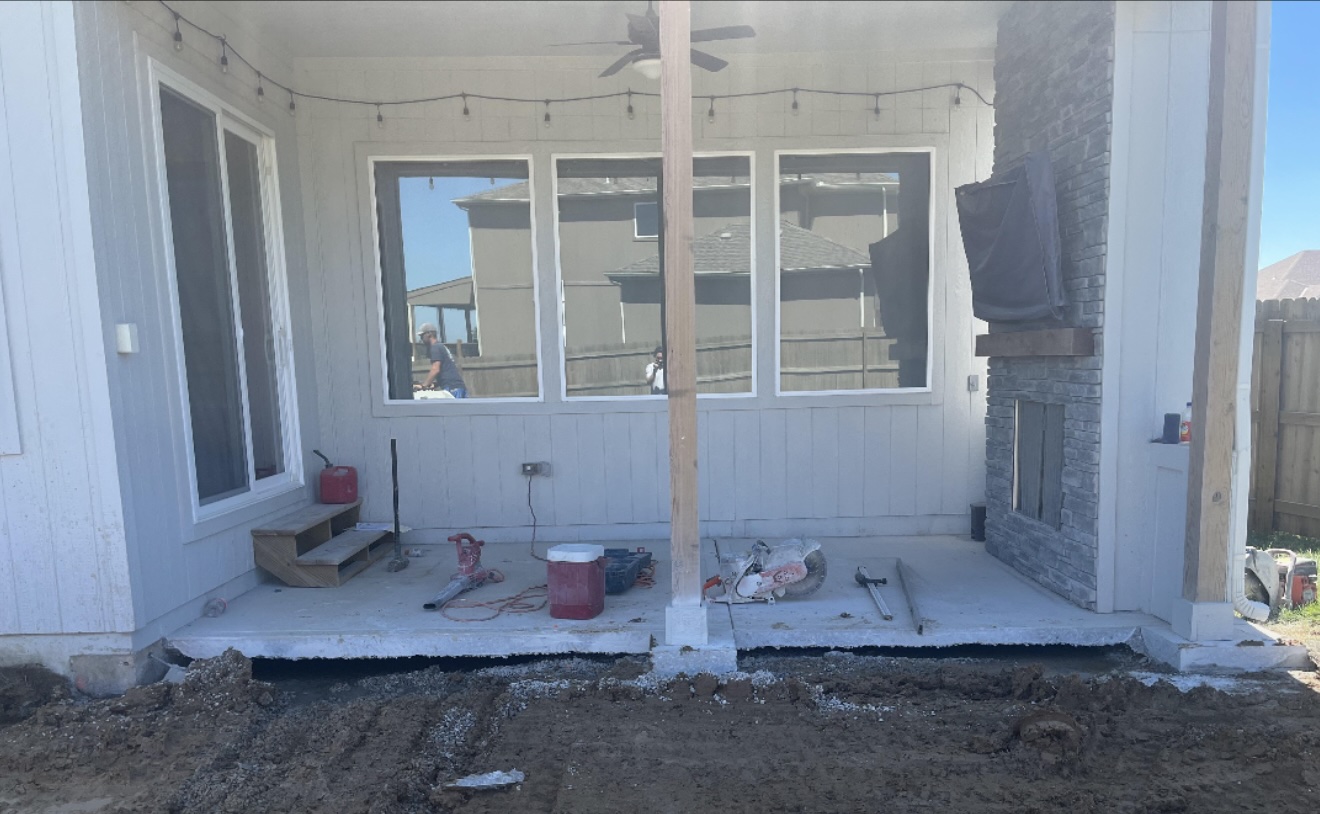
A homeowner pulled up part of their patio to re-grade it.
They uncovered a 6–8 inch void stretching across the entire slab.
The patio sloped toward the house.
The builder shrugged them off.
A concrete contractor quoted $3,000 to rip and replace.
But the right fix?
Stabilize the soil. Fill the void. Support the slab.
A lifter showed up, explained it clearly, filled the void, and gave the homeowner peace of mind for the next decade.
Jobs like this build reputations.
9. Take Photos — They Sell These Jobs For You
These are perfect “before and after” opportunities:
- The open void
- The soil separation against the foundation
- The injection points
- Foam expansion under the slab
- Post-job stabilization photos
We wrote a full guide on that here:
Final Thoughts
New-construction void jobs can feel intimidating — especially for newer lifters.
But once you learn how to diagnose the issue, explain it simply, and recommend the right fix, these become some of the cleanest, most profitable jobs you’ll ever take.
You’re not just filling a void.
You’re filling a knowledge gap — and that’s what earns trust.
Keep showing up. Keep learning. Keep helping people understand their concrete.
Your business will grow the minute you learn how to calm fear and explain the truth clearly.