
How to Sell a Pole Barn Void Fill Job
 By: Josh Fulfer
Estimated Read Time: 5 Minutes
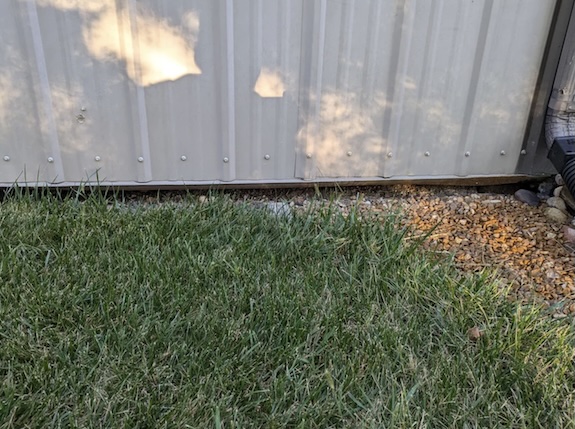
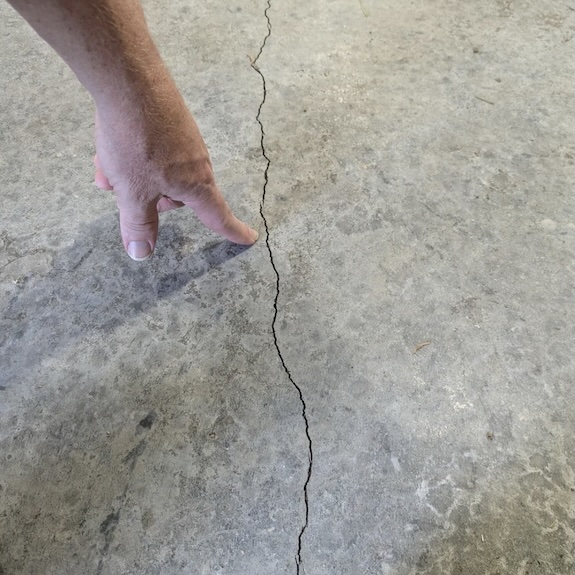
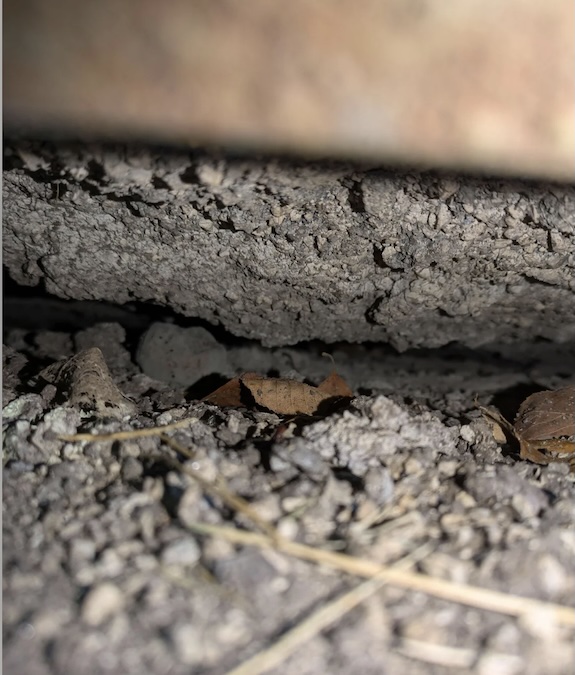
A homeowner sends photos and a detailed note: there’s a visible air space under the southwest side of a 60×44 pole barn slab. Heavy clay soils. Seasonal movement. A floor crack widening, a door that no longer latches, and daylight under the slab edge for 30 feet. They ask, “Mudjack, polyjack, or something else?”
Great news: this is a high-trust, fast-turn revenue opportunity if you guide the conversation well.
Why This Job Is Gold
- Fast turnaround: Most void fills/stabilization runs just a few hours on site.
- High trust: You’re preventing bigger damage (drops/cracks) before it happens.
- Low competition: Few contractors market void fill as a standalone service.
- Easy add-ons: Joint sealing, drainage corrections, and annual inspections.
Step 1 — Acknowledge & Educate (in Plain English)
Open with empathy, then move to authority:
“Thanks for the detailed photos and measurements—they’re really helpful. What you’re seeing is a loss of soil support under the slab. When a slab is supported at just a few contact points, that’s when cracks widen and sections can drop. The good news is we can stabilize this proactively.”
Step 2 — Position Polyurethane Over Mudjacking
Many owners know the word “mudjacking.” Give them the clear why behind poly for this scenario:
- Lightweight: Poly adds minimal load to already unstable soils; slurry can be heavy.
- Expansive, full contact: Foam flows and expands to fill irregular voids and tight pockets.
- Water-resistant: Stands up to downspouts/sump discharge better than many slurries.
- Fast cure: Stabilized and usable in minutes, not days.
 Language to use:
“Our goal here isn’t a big ‘lift’—it’s stabilization and full support. We inject high-density polyurethane to fill the void and re-support the slab and wall line. That prevents further movement and protects the structure.”
Step 3 — Build a Package (Don’t Sell a Single Line Item)
- Void fill & stabilization: High-density poly injection along the affected run.
- Joint sealing: Keep water out of the base to prevent repeat washout.
- Drainage correction: Extend downspouts/sump discharge; minor re-grade if needed.
- Annual inspection: Quick spring check to document stability and catch early changes.
Pro tip: Price the solution (stability + prevention), not “per hole” or “per pound.” Anchor against the future costs of slab drop, crack repair, or tear-out and replacement.
Step 4 — Use Visuals to Close (Proof Beats Promises)
Mirror the homeowner’s photos with your own proof set: a short clip of foam expanding under a slab edge and a simple before/after showing restored contact. Even 10–20 seconds is enough to win trust and becomes marketing content later.
For multiplying one clip into SEO, sales, and training, see:
How Concrete Lifters Can Turn One Video Into SEO, Sales, and Staff Training Content
Step 5 — Close With Confidence (and a Clear Next Step)
“We’ll stabilize the slab along the west wall with polyurethane, fill the voids for full support, and seal the joints so water can’t get back underneath. Most of this is done in about two hours, and you can use the space the same day. If we book this week, we’ll include a spring checkup at a preferred rate so you’ve got documentation on file.”
That script ties outcomes (stability, prevention, speed) to a tangible next step (schedule + value add).
Copy-Ready Scope Snapshot
Problem: Loss of support under west wall slab; seasonal movement; widening floor crack; door misalignment.
Solution: High-density polyurethane injection to fill voids and re-establish full slab support; verify contact along edges; seal identified joints; recommend downspout/sump extensions as needed.
Time on site: ~2–4 hours; area usable same day.
Warranty: Stabilization warranty against foam failure (excludes new erosion sources without addressed drainage).
Bottom Line
Pole barn void fills are more than “patch work.” They’re quick, clean wins that build long-term trust. Lead with education, position poly as the smarter stabilization method, package prevention, and document the result. Done consistently, these calls become a dependable revenue stream—and a reputation booster your next lead will mention by name.