
How to Turn a Probelm Into Trust (And Why Speed Matters More Than Blame)
 By: Josh Fulfer
Estimated Read Time: 4 Minutes
It wasn’t our fault—but we fixed it anyway.
We had a situation recently that reminded me why building a dependable team—and having the right mindset—matters more than any marketing tactic.
A concrete lifting client reached out and mentioned something odd. They hadn’t received a single website lead in days… except the ones we had submitted ourselves for testing.
At first, this didn’t make sense. We had tested everything. Multiple times. Every form submission went through. We had checked confirmations, double-checked email routing, and assumed it was working.
But the client was right—real leads weren’t coming through.
We paused everything we were doing and went straight into problem-solving mode. No excuses. No blame. Just find the issue.
After digging in, we discovered the culprit: a third-party spam filter they had previously installed was blocking legitimate leads silently in the background. Nothing we had set up. Nothing we had changed. But it still impacted our work and our reputation.
We fixed it in 75 minutes.
And that’s the point of this story.
This Business Doesn’t Reward Excuses. It Rewards Leadership.
Whether you’re lifting sunken concrete, running calls, or managing leads online—things are going to break. Miscommunication will happen. Tools won’t work. Emails will get filtered. Leads will go missing.
You can’t control all of it.
But you can control how you respond.
The team and systems you build need to reflect that. Your crew on the rig. Your admin answering phones. Your SEO or website support behind the scenes.
When something breaks, the best teams don’t wait. They move fast. They own the problem. And they fix it—even if they didn’t cause it.
Want help building that kind of team? Read our article: How to Build a Team You Can Trust (And Get Off the Rig)
Clients Don’t Remember What Went Wrong. They Remember Who Fixed It.
Nobody remembers the technical root cause a month later.
What they remember is:
– Whether you picked up the phone.
– Whether you made them feel heard.
– Whether you did something about it.
That’s how trust is built.
That’s how repeat business is earned.
That’s how referrals happen.
It doesn’t come from flawless execution. It comes from integrity in the messy moments.
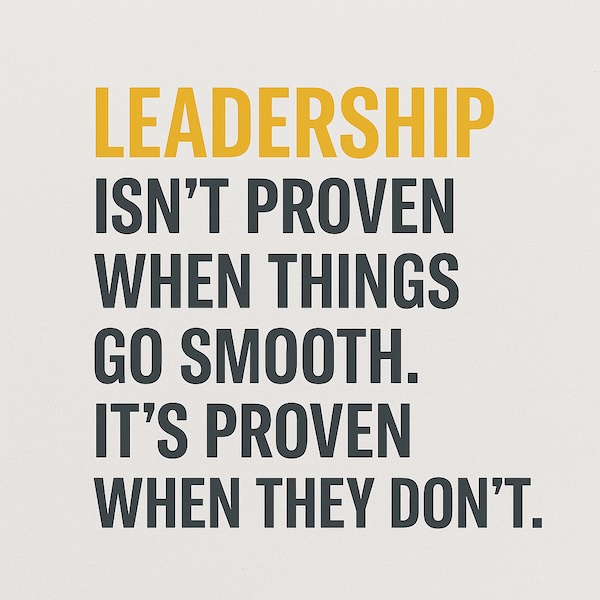 The Real Lesson: Problems Are Opportunities (If You Move Fast)
This could’ve been a negative story. A week of missed leads. Frustration. Questions about “what’s wrong with the site.” It could’ve eroded trust.
But because we acted immediately—and communicated clearly—it became the opposite.
A trust-building moment.
A signal to the client that they’re in good hands.
And a reminder to us that reputation is built in the way you handle setbacks—not how you avoid them.
Final Thought:
If you want your concrete lifting business to grow, yes—do great work. Yes—market smart. Yes—train your team.
But just as important? Build a culture where problems get handled before the client has to follow up. Where you move with urgency, take ownership, and show leadership—every single time.
That’s how you win.
That’s how you keep winning.
And that’s how your reputation becomes your biggest competitive advantage.