How to Close Commercial Concrete Lifting Jobs (When They Call You)
 Article by: Josh Fulfer
Read Time: 5 minutes
Every concrete lifting business owner knows the thrill of an inbound commercial call. It’s the golden goose of leads—a high-value project where the client has already identified a problem and is looking for a professional to solve it. This isn’t just about a broken slab; it’s about a business with a pressing need and a budget to fix it.
But here’s a reality check: getting the call is only half the battle. Your competitor down the road is getting the same call, and they’re likely going to offer the same standard quote. To win the job, you need to go beyond simply providing a price. You need a strategy that demonstrates your value, positions you as a business consultant, and ultimately, makes you the only logical choice.
This article will break down a consultative sales approach designed specifically for concrete lifters. This isn’t just about the mechanics of the lift; it’s about speaking the language of a business owner and proving that your service is the smartest investment they can make.
The New Sales Mindset: From Contractor to Consultant
For a residential job, the sales pitch is often straightforward: “We can fix your sidewalk without tearing up your lawn, and it’ll save you money.” While this is true for commercial clients, it’s not the most compelling argument.
A business owner’s biggest fears are not just cost and hassle; they are legal liability, business disruption, and brand reputation. When you get a call about a sunken slab, you are not just being asked to lift concrete. You are being asked to solve a multifaceted business problem.
Your goal is to shift from a “contractor for hire” to a “risk management consultant.” You’re not just a guy with a polyjack rig—you’re the expert who can prevent a lawsuit, protect their brand, and ensure their property is safe and compliant.
The Critical First 5 Minutes: What to Ask on the Call
Before you even step on-site, the first phone call is your chance to gather intelligence and differentiate yourself. Your questions should reveal their motivations and give you the ammunition you need for your on-site pitch.
Here are the key questions to ask:
- “What’s the main concern you have with this specific area? Is it a safety issue, the aesthetics for your customers, or something else?” This question helps you understand their primary driver. If they say “safety,” you know to lead with your liability-prevention messaging. If they say “aesthetics,” you’ll talk more about curb appeal and brand image.
- “Have you had any close calls, complaints, or inspections regarding this area?” This question is a goldmine. If they mention a near-miss or a compliance issue, you’ve just unlocked their biggest fear. You can now present your service as the ultimate peace-of-mind solution.
- “Are you considering a full replacement, and if so, what’s holding you back?” This helps you understand who you’re competing against. If they’re concerned about the cost or disruption of a full tear-out, you can immediately position your service as the superior alternative.
By asking these questions, you’re not just a vendor—you’re a professional who understands their business challenges.
The On-Site Visit: How to Showcase Your Value
Your on-site visit is your stage. Do not just measure and give a quote. This is your opportunity to educate the client and solidify your expert status.
1. The Guided Tour:
Walk them to the affected area and point out the issues you see. Use a professional tone to highlight:
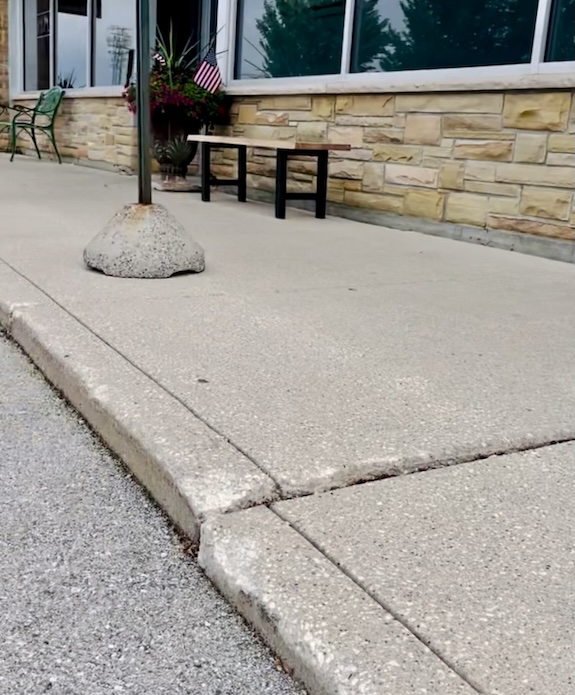
- The Trip Hazard: “You can see here this lip is a potential tripping hazard. The American with Disabilities Act (ADA) has strict requirements for walkway smoothness, and this could be a compliance issue for your business.”
- The Cause: Explain why the concrete sank. “You can see water has been eroding the sub-base here, which is what caused this to settle. Our process fills those voids to prevent it from happening again.”
2. Talk About the Non-Monetary Costs:
While they’re focused on the quote, you need to bring up all the costs they haven’t considered with a full replacement:
- Downtime: “With a full replacement, your sidewalk would be closed for days, impacting customer access and business operations.”
- Landscaping and Restoration: “Tearing out concrete damages landscaping and can leave a mess. We don’t have that problem.”
- Permitting: “A full replacement often requires permits and inspections, which adds to the timeline and hassle.”
The Core Pitch: Why Concrete Lifting is the Smart Business Move
This is where you bring it all together. Your quote is no longer a simple price tag; it’s a powerful tool to prevent future losses.
The Financial Argument: Cost Savings & ROI
Your service is almost always a fraction of the cost of a full replacement. But don’t just state the number. Frame it as a strategic financial decision. “You can invest a few thousand dollars now to save ten times that amount in replacement costs, and prevent a potential lawsuit that could cost you even more.”
The Time & Disruption Argument
This is often the most persuasive point for a commercial client. A restaurant can’t afford to have its main entrance closed for days. A retail store can’t lose foot traffic. Emphasize that your process is quick, non-disruptive, and can often be completed during off-hours, so there’s zero impact on their business.
The Liability & Risk Mitigation Argument
This is your trump card. Speak directly to their biggest fear: a costly lawsuit. Your service isn’t just a repair—it’s a proactive measure to protect their business. By fixing the trip hazard, you’re helping them maintain a safe environment and demonstrate due diligence.
The Follow-Up and Beyond
After the on-site visit, send a professional, detailed follow-up email. This email should summarize the conversation, highlight the key benefits you discussed (liability prevention, cost savings, minimal disruption), and reiterate why your service is the best solution for their business.
Once the job is done, ask for a Google review or a testimonial. Commercial reviews can be powerful social proof to attract even more high-value clients.
By mastering this sales approach, you’ll not only close more commercial deals but you’ll also build a reputation as a trusted, professional partner—not just another contractor.
Ready to attract more of these high-value commercial leads? Our marketing strategies are built to put you in front of the right clients at the right time. Contact LevelRight Marketing today for a free consultation.