
How to Sell Concrete Lifting Jobs for Distribution Centers
 By: Josh Fulfer
Estimated Read Time: 5 Minutes
Distribution centers are the beating heart of modern logistics. Trucks load and unload all day, forklifts run non-stop, and thousands of pounds of freight move across concrete slabs every hour. But with all that weight and traffic, slabs eventually settle, crack, or sink — causing safety hazards, downtime, and costly delays. Concrete lifting is the solution distribution centers need because it keeps operations running smoothly without shutting down docks.
Why Distribution Centers Are a Big Opportunity
These facilities can’t afford interruptions. A single uneven dock plate or warehouse slab can slow down deliveries, damage equipment, or injure employees. That urgency makes them some of the best commercial prospects for concrete lifting contractors:
- High traffic: Trucks, forklifts, and pallet jacks wear down slabs quickly.
- 24/7 operations: Shutting down docks means delayed shipments and angry customers.
- Large square footage: More slabs = more opportunities for work.
Warehouses & distribution centers are one of the biggest owners of concrete. - Recurring maintenance: These facilities constantly need repairs and upkeep.
Common Concrete Problems in Distribution Centers
When you walk a warehouse or loading dock, you’ll see issues that are tailor-made for lifting:
- Sunken loading docks where trailers don’t line up with dock plates.
- Cracked slabs inside warehouses from heavy forklift traffic.
- Trip hazards in walkways and staging areas.
- Pooling water near exterior dock ramps.
- Slab separation at joints where forklifts cross thousands of times daily.
Why Concrete Lifting Is the Best Solution
Replacing concrete in a warehouse or dock is disruptive and expensive. Polyurethane lifting, on the other hand, is fast, clean, and strong enough to handle industrial use:
- Minimal downtime: Most repairs are complete in hours, not days.
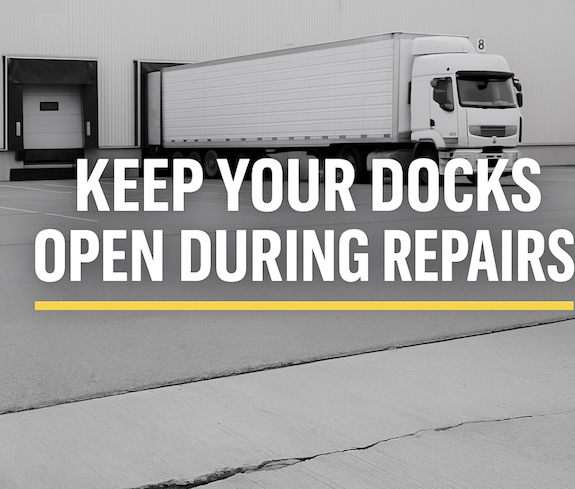
- Stay open: Docks and staging areas can remain in use during the work.
- Industrial strength: Foam supports heavy truck and forklift traffic.
- Clean and quiet: No messy demo, jackhammers, or dust clouds.
- Long-lasting: Stabilizes soil and prevents repeat settlement.
This is where the sales message connects: lifting vs. replacement isn’t just about cost — it’s about keeping product moving and customers happy.
How to Sell the Job to a Facility Manager
Speak Their Language
Facility managers don’t want contractor jargon. They care about uptime, safety, and liability. Position your service like this:
- “We can fix your docks in a few hours. ”
- “Your forklifts can keep running while we work.”
- “We’ll prevent trip hazards and worker injuries.”
Offer Off-Hours or Staged Work
Many distribution centers run 24/7. That’s why you should offer early morning, late night, or weekend scheduling. Even better, stage work by section — keeping some docks open while others are being repaired. This flexibility shows you understand how critical uptime is to their business.
Build Trust
Back up your promises with real-world examples. Show before/after photos of dock or warehouse repairs, explain your warranty, and share testimonials from other commercial clients. The more you highlight reliability, the faster you’ll win these jobs.
Key Sales Angles That Work
- “Keep docks open while we work.”
- “Fast turnaround — hours, not weeks.”
- “Industrial strength foam designed for heavy traffic.”
- “Protect your workers and shipments.”
Overcoming Common Objections
- “We can’t shut down our docks.” → You don’t have to. We stage repairs so operations continue.
- “Replacement will last longer.” → Replacement takes weeks and costs more. Lifting is fast, durable, and stabilizes soil beneath.
- “It won’t hold up under trucks.” → Polyurethane is designed for industrial traffic and supports thousands of pounds.
Reframe objections around uptime: polyurethane lifting is built for speed, strength, and continuity.
Long-Term Value for Contractors
Distribution centers don’t just need a one-time fix — they need ongoing maintenance. Position yourself as their long-term partner for safety and efficiency. Once you land one facility, you often get referrals to others in the network.
- Interior slabs in warehouses.
- Exterior truck ramps and approach areas.
- Sidewalks and walkways for employees.
These jobs are high value and repeatable. Add them into your commercial lifting strategy and you’ll secure steady, recurring work.
Tips for Winning Distribution Center Jobs
- Lead with uptime. This is the #1 concern for facility managers.
- Show proof. Photos and case studies speak louder than words.
- Offer flexible scheduling. Nights, weekends, or staged work sets you apart.
- Bundle inspections. Look at docks, interior slabs, and exterior ramps all at once.
Conclusion
Distribution centers live and die by uptime. By leading with the promise of keeping docks and warehouses open during repairs, you immediately earn attention and trust. Position concrete lifting as the fastest, most reliable, and least disruptive solution — and you’ll win more contracts while building long-term relationships with some of the biggest players in logistics.
👉Want to learn more? See this article about why you need web pages for every concrete lifting setting you repair. Or read about knowing your worth when it comes to commercial concrete lifting jobs – and how we helped our partner add $15,000 extra to his bottom line with one job!