Why Concrete Lifting Websites Need Pages for Every Problem
 By: Josh Fulfer
Estimated Read Time: 5 Minutes
Here’s something most concrete lifting companies never realize:
Homeowners don’t just search for services… they search for problems.
Sure, you have the classics:
- “concrete lifting near me”
- “driveway leveling”
- “mudjacking service”
But every day, people also search for:
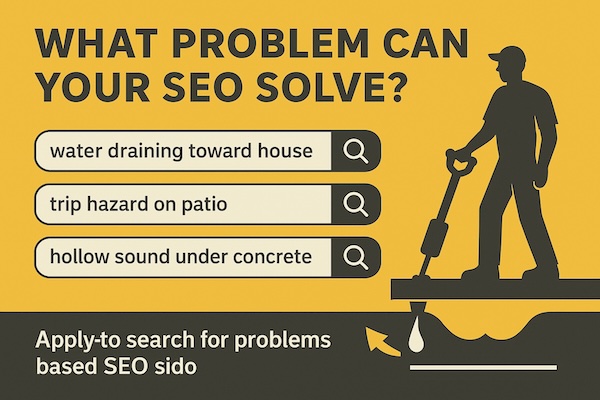
- “void under my driveway”
- “hollow sound under concrete”
- “water draining toward my house”
- “trip hazard on my sidewalk”
- “sinking garage corner”
- “home inspector says my patio is unsafe”
These aren’t random searches. These are the exact reasons people call you.
And for years, most concrete lifting websites only covered the service side of things — not the problem side.
But when you create pages that talk directly about the specific issues people are dealing with, everything changes. Rankings improve. Calls increase. And jobs close faster — often before you even show up for the quote.
Why Problem Pages Matter So Much
People buy because of the problem they have.
They don’t wake up thinking, “I’d really love to get some foam injection today.”
They think:
- “Someone’s going to trip on that slab.”
- “Water is running right toward my foundation.”
- “This garage corner is dropping.”
- “My home inspector flagged this and I need to fix it before I close.”
When a homeowner finds a page on your site that talks about exactly what they see in their yard, trust builds instantly. They feel understood. And the job is halfway sold.
And here’s the crazy thing: most contractors don’t create these pages simply because no one has ever shown them why they matter.
This is one of those small “unfair advantages” that quietly separates the companies who grow from the ones who stay invisible online.
The Three Types of Pages Every Concrete Lifting Website Should Have
We’ve built concrete lifting websites for years. And every high-performing site follows a simple structure:
- Service Pages — “What you do”
Concrete lifting, void filling, stabilization, mudjacking, etc. - Setting Pages — “Where you do it”
Steps, porches, pool decks, driveways. (These are the ones we’ve always built.) - Problem Pages — “Why people call you”
Voids, hollow sounds, trip hazards, water draining toward the house, etc.
That third category — Problem Pages — is the one most concrete lifters completely miss.
But it’s also the category that produces the fastest SEO wins and the easiest job closings.
SEO Advantage: Problem Pages Rank Fast
Search engines love extremely specific, low-competition pages.
So pages like:
- “hollow sound under concrete slab”
- “driveway has a gap underneath”
- “patio sinking toward house”
tend to index fast and rise quickly — even for brand-new sites with no authority yet.
This is also exactly the type of content that performs well in AI search (Perplexity, ChatGPT, Google SGE).
It’s also perfect for smaller towns your competitors aren’t targeting.
For more on this idea, read Why Concrete Lifting Websites Need Pages for Every Problem Area.
Sales Advantage: Problem Pages Close Jobs Automatically
When a homeowner finds a page that describes the exact issue they’re facing, you’ve already built trust before you even get on the phone.
It’s the same reason our article What to Say on the Phone to Win More Jobs works so well — clarity reduces fear.
A good problem page answers these questions:
- What is this issue?
- Why is it happening?
- Is it dangerous?
- How does foam lifting fix it?
- How fast can it get worse?
- What will it cost?
When you answer these, the homeowner feels confident — and confidence sells.
Two Problem Pages You Should Add Right Now
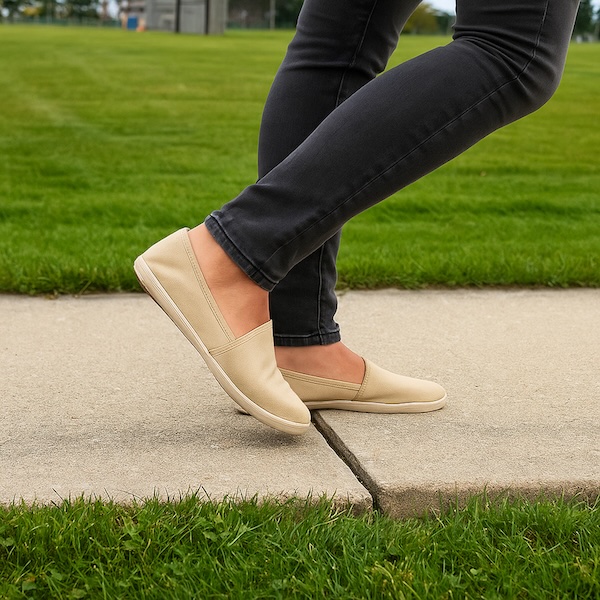 1. Trip-Hazard Repair
This is a common Google search.
Homeowners see trip hazards, or maybe someone has already fallen. Now they’re worried it’ll happen again.
A page like this ranks quickly because almost no one bothers to make one.
2. Water Draining Toward the House
One of the most overlooked problems — and one of the highest-value searches.
Explain:
- Why it happens
- Why it’s dangerous
- How lifting fixes the grading
This rings the alarm bell in a homeowner’s mind — in a good way.
Why Competitors Aren’t Doing This
Most websites don’t include problem pages for a simple reason:
Nobody ever taught contractors that these pages matter.
It’s not that competitors don’t care. They just don’t know what they don’t know.
Which is good news for you — because small advantages like this compound over time.
A Real Example: New Business → Fast Results
We recently helped a brand-new concrete lifting business launch.
No business history.
No reviews.
No domain authority.
Just a name, a logo, and a willingness to get moving.
Even with zero authority, their problem pages ranked quickly — some in just weeks.
That momentum turned into early calls, then early jobs, then early reviews.
It’s a reminder that small towns + problem pages + clean structure = fast wins.
But here’s the key:
Established businesses rank even faster.
If You Already Have Reviews and History, You’re in Even Better Shape
If you’ve been in business for years and already have:
- Google reviews
- Local citations
- A branded search presence
- An older domain
Then adding problem pages is like throwing gasoline on a fire.
They often rise into the top page of Google in a matter of weeks — not months.
For more on the long-term ROI of this stuff, see Is SEO Ever Really Done?
What to Include on Every Problem Page
Here’s the structure we use over and over because it just works:
- Clear headline naming the problem
- Short description of what the homeowner is seeing
- Why it happens
- What risks it creates
- How lifting solves it
- Before/after photos
- Internal links to related services
- FAQ section
A simple structure like this can quietly drive calls month after month.
See why in Why FAQ Sections Help You Rank Higher.
The Bottom Line
Adding problem pages to your concrete lifting website is one of the simplest, most effective ways to:
- Rank faster
- Convert more calls
- Build trust before the quote
- Stand out from competitors
- Win the jobs your competitors never see
This isn’t theory. It’s what works every day across the best-performing lifting websites in the country.
And you don’t need to overhaul your whole website to do it.
Just start with one or two pages — hollow sounds, voids, water drainage — and build from there.
Small steps compound.
Small pages rank.
Small wins become big wins.
And this is one of the easiest places to start.