What Homeowners Search Before Hiring a Concrete Lifting Company (And Why Your Website Must Match Their Language)
 By: Josh Fulfer
Estimated Read Time: 6 Minutes
Most concrete lifting contractors assume homeowners start their search with something like:
- “concrete lifting near me”
- “polyjacking contractor”
- “void filling company in [city]”
And yes — these keywords matter. They are still some of the highest-intent searches you can rank for, and they sit at the core of a strong SEO plan.
But here’s what most people don’t see:
Homeowners almost always Google the symptom before they Google the service.
They don’t start by typing “polyjacking company.” They start with what they see, what worries them, or what they don’t understand yet.
If your website doesn’t use the same words they use, you show up late in the buying process — after they’ve already talked to other companies.
This article breaks down what homeowners actually search, how Google and AI tools see those searches, and how using this language on your website brings in more traffic, more leads, and more trust.
Service Keywords Still Matter — A Lot
Before we get into homeowner search behavior, let’s be clear about one thing:
Your core service keywords are still essential.
- concrete leveling near me
- concrete lifting contractor
- mudjacking near me
- void filling services
- raise sinking driveway
These phrases are high-intent and high-conversion. They usually come from people who already know concrete lifting is the solution and are ready to hire.
Nothing in this article replaces those terms. Think of this as an extra layer on top — a way to reach homeowners earlier in their journey and support those core pages so they rank even stronger.
The Real Beginning of the Homeowner Journey: “Why is my ___ sinking?”
Here’s what homeowners are actually typing into Google, ChatGPT, or Perplexity long before they even know what concrete lifting is.
Symptom-Based Searches
These are the big ones. People type what they see in front of them:
- why is my driveway sinking
- garage floor dropped in one corner
- hollow sound under concrete
- void under patio slab
- sidewalk trip hazard at my house
- concrete pulling away from the steps
- water draining toward my foundation
They don’t care about the technical name. They just want to know what is going on and if they should be worried.
Safety Searches
- can uneven concrete cause water damage
- is sinking concrete dangerous
- homeowner liability for a trip hazard
These searches are full of fear and risk. When you answer them clearly, you build trust very quickly.
 New Construction Issues
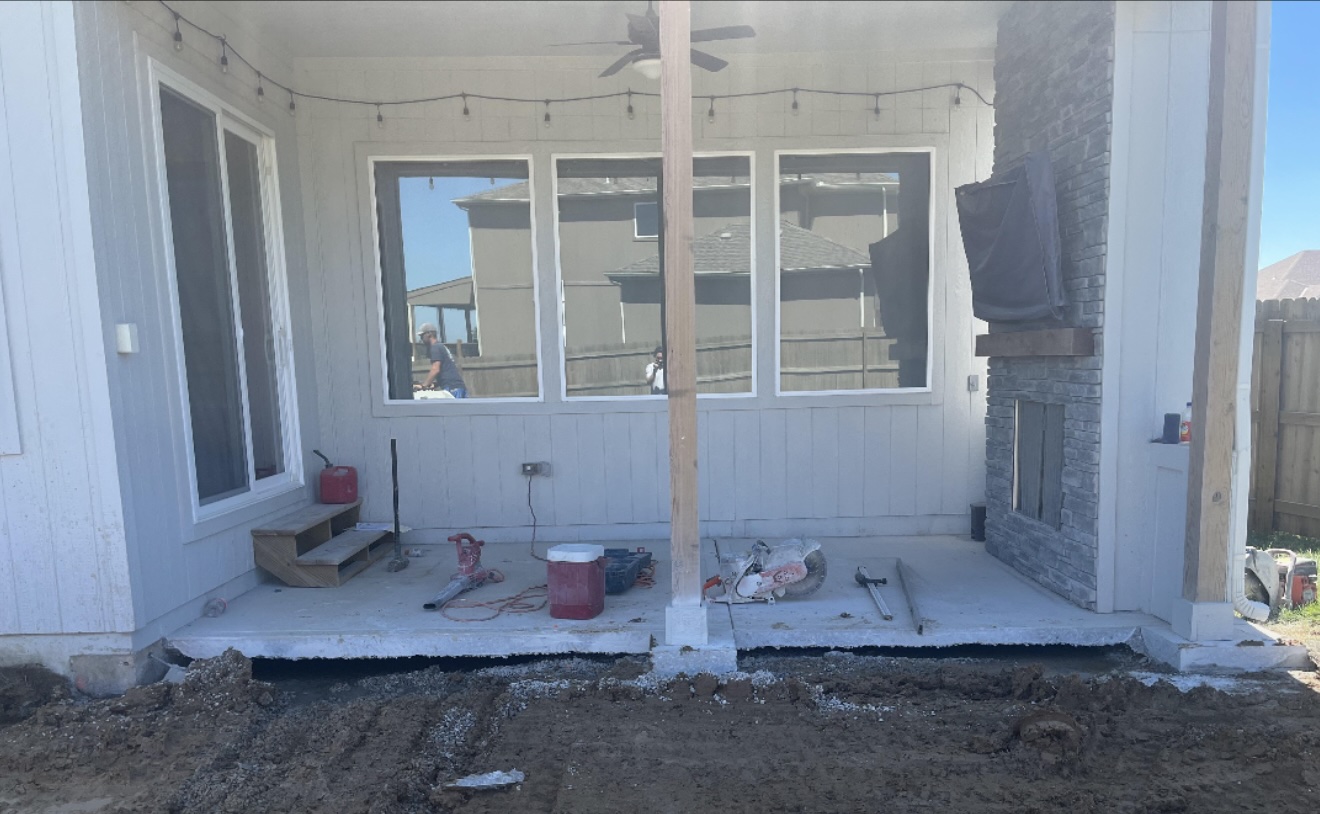
- void under new concrete patio
- garage apron sinking first year
- brand new driveway cracking or settling
Many new-build homeowners feel frustrated with the builder and want a second opinion. A simple, honest article about new construction settlement can pull these people straight to you.
Cost Searches
- how much does concrete leveling cost
- mudjacking vs replacement cost
- is polyjacking worth it
Money questions are always there. You don’t have to list exact prices, but you should explain what impacts cost and when lifting makes more sense than replacement.
“DIY” Curiosity Searches
- can I lift concrete myself
- how to fix void under concrete
Some people start by asking if they can do it on their own. When your content shows why a pro matters, many of them shift from “DIY” to “let me call someone who knows what they’re doing.”
Why This Matters for SEO and AI Search
Google and AI tools care a lot about how helpful your content is.
If someone asks, “Why is my garage floor sinking in the back corner?” the algorithm doesn’t want to send them to a thin service page that says, “We lift all types of concrete — call us today!”
It wants to send them to the contractor who:
- explains the common causes (poor compaction, washout, downspouts, etc.)
- explains the risks if it gets worse
- shows examples with simple photos
- walks through how a lifting or void fill repair works
- gives a clear next step if they want help
That’s how Google and AI decide who is the “best answer.”
When your content matches real search language, you:
- show up earlier in the buying journey
- show up for more variations of the same problem
- get pulled into more AI answers and search snippets
- look like the local expert, not just another contractor
Over time, this deeper content also supports your main money pages. Google sees that your site covers concrete lifting in more detail than your competitors, which helps those core “concrete lifting near me” pages perform better too.
Why This Helps You Close More Jobs
Most people don’t feel ready to call a contractor until they understand the problem at a basic level.
When your website is the one that explains the “why” in clear, simple language, you become the trusted guide before anyone else shows up.
So when they finally do search “concrete leveling near me” and see your name in the results, you’re not just another option. You’re the company that already:
- helped them understand what was going on
- calmed their fears about safety and cost
- showed real examples similar to their situation
Trust is built long before the estimate. Your content just did the heavy lifting for you.
 What to Add to Your Website
Here are simple content types that match how homeowners actually search and support your existing service pages.
1. Symptom-Focused Content
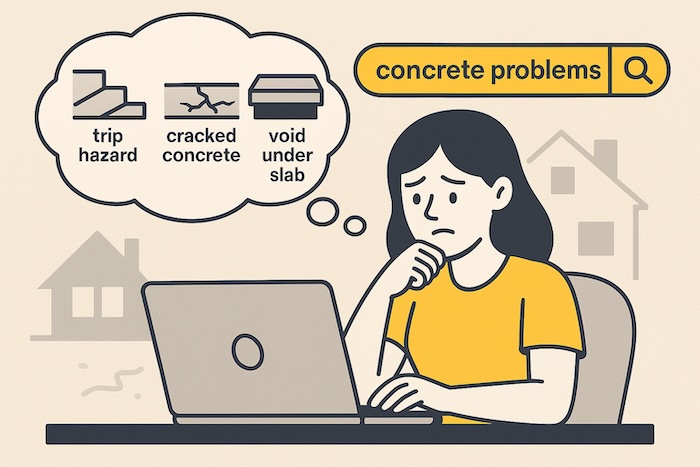
Create short pages or sections that speak directly to what people see and hear:
- Why Is My Driveway Sinking?
- Why Does My Concrete Sound Hollow?
- Why Is Water Running Toward My House?
- What Does a Void Under Concrete Look Like?
Use plain language. Add job photos. Explain what usually causes it and how you fix it.
2. “Why It Happens” Explanations
Layer in a bit more education, still in simple terms:
- Soil Washout Under Concrete
- Poor Compaction Under New Slabs
- Slab Settlement After Heavy Rain or Drought
- Movement From Frost and Thaw Cycles
These pages give Google and AI more context and help homeowners feel like they finally understand what’s going on.
3. Cost and Options Pages
Money questions don’t scare good buyers. They actually help them feel safe moving forward.
- Concrete Lifting vs Replacement Costs
- What Affects the Cost to Level a Driveway?
- When Does Replacement Make More Sense Than Lifting?
You can explain ranges, factors, and examples without boxing yourself into a hard quote.
4. “What to Do Next” Content
This is where symptom language and service language come together:
- How Professionals Fix Voids Under a Garage Floor
- How We Repair Trip Hazards on Sidewalks and Walkways
- How We Lift a Patio That’s Pulling Away From the House
On these pages, you explain your process step-by-step and then give a clear call to action. That might be a phone number, a simple quote form, or even guidance on what photos to send.
If you already have city and service pages in place, these extra pieces act like on-ramps. They pull people into your site from all kinds of searches and then point them toward your main service pages and quote forms.
Why Most Competitors Don’t Do This
Most concrete lifting companies talk like contractors, not like the people they serve.
Most generic marketing agencies build the same tiny site for every client and never dig into real homeowner search behavior.
That’s why you see so many websites with the same structure:
- Home
- About
- Services
- Contact
- Maybe a few city pages
They hit the basic service terms but miss the everyday questions and worries that homeowners type into Google and AI tools.
The good news: this is your opening. A little bit of extra, well-written content goes a long way in a niche where most sites are thin.
This Doesn’t Replace Your Current Keywords — It Strengthens Them
If you’re already investing in SEO, chances are you’re targeting the right core phrases. Those “concrete lifting near me”–style keywords are still the backbone.
Adding symptom-based and question-based content does not undo that work. It supports it.
It tells Google and AI platforms:
- “This business understands the full customer journey.”
- “They answer real questions, not just list services.”
- “They are a stronger, more complete resource than the competition.”
And when the algorithm sees that, both your question-based pages and your money pages tend to climb together.
The Bottom Line
Homeowners don’t start with contractor language. They start with their own.
The closer your website matches what they actually think and type — sinking slabs, trip hazards, hollow sounds, voids, water issues — the more often you’ll be the one they find, trust, and call.
Keep your core service keywords. They still matter. Then add the everyday language people really use, and let your website do what it was always supposed to do:
Meet people where their questions begin, not just where the job ends.