
Internal Linking for Concrete Lifting Websites | SEO Fundamentals
By: Josh Fulfer
Estimated Read Time: 6 Minutes
Internal Linking: An Overlooked SEO Advantage for Concrete Lifting Websites
When concrete lifting companies think about SEO, they usually focus on keywords, service pages, backlinks, or Google Business optimization. Very few spend much time thinking about internal linking.
That’s a mistake.
Internal linking is one of the simplest, most effective ways to help search engines understand your website, guide homeowners through your content, and turn existing pages into stronger ranking and lead-generating assets. It doesn’t require new tools, new software, or more writing—just better structure.
This lesson explains what internal linking really is, why it matters specifically for concrete lifting websites, and how to use it intentionally as part of a long-term SEO system.
For those who prefer to see these concepts explained visually, a walkthrough can be helpful here.
What Is Internal Linking?
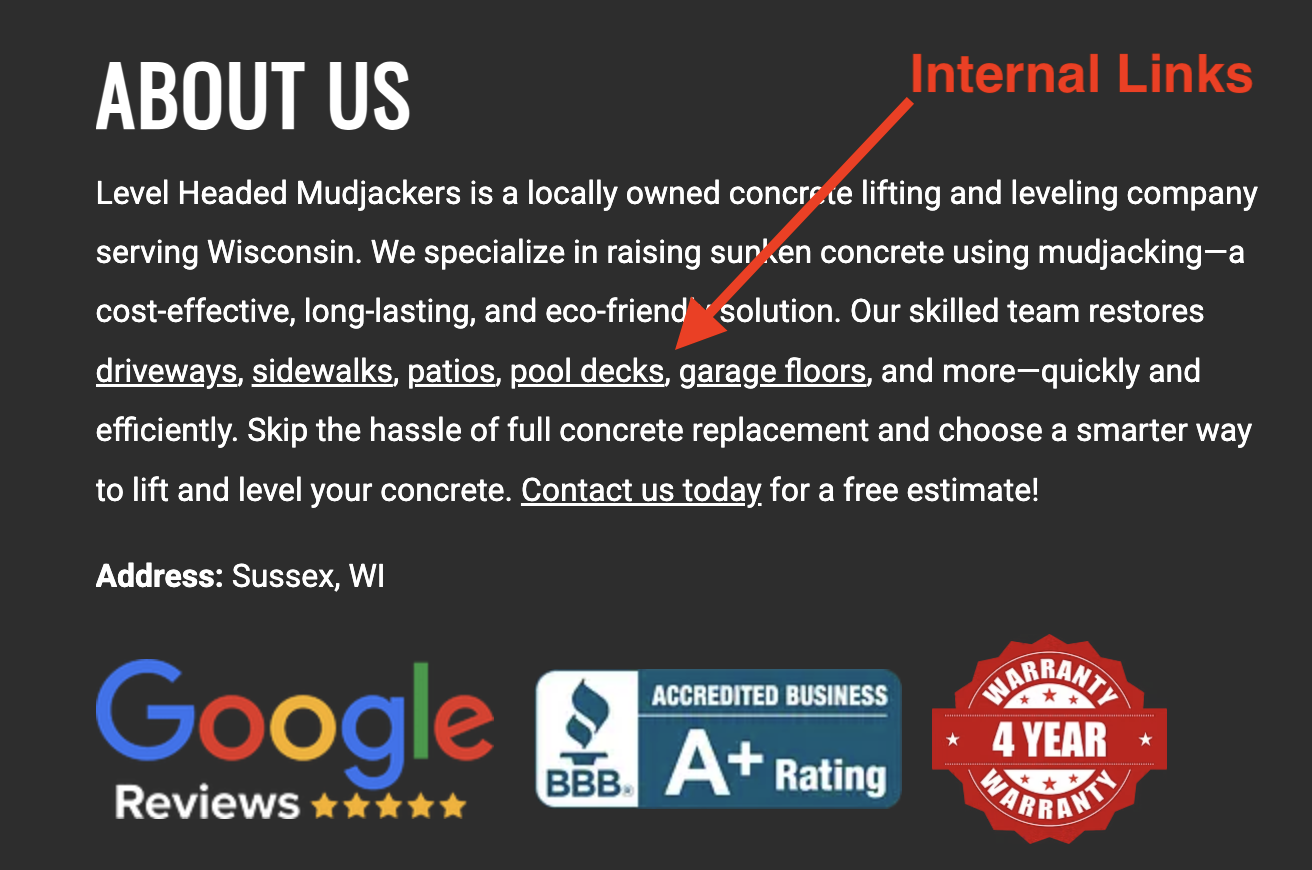
An internal link is a link from one page on your website to another page on the same website.
Examples include:
- A blog article linking to a concrete lifting service page
- A service page linking to a related problem-area page (driveways, sidewalks, pool decks)
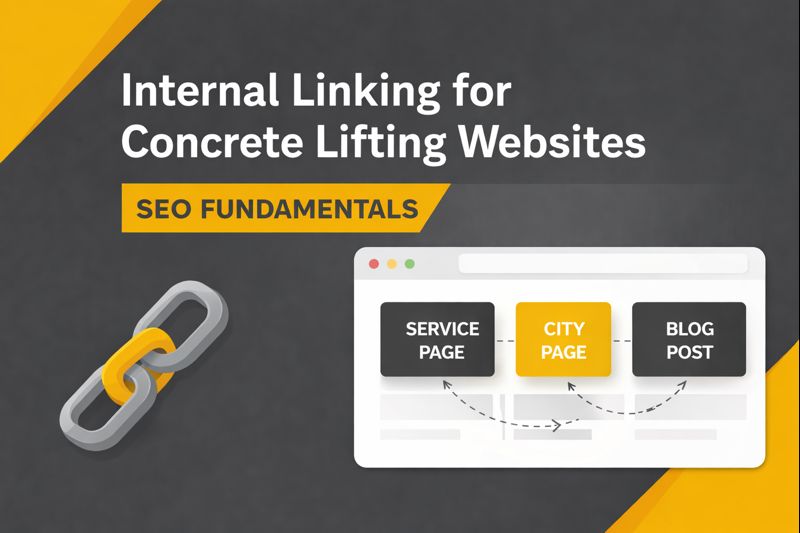
- A city page linking to a local case study or educational article
- An FAQ page linking to a deeper explanation of a topic
Unlike backlinks—which come from other websites—internal links are completely under your control. That alone makes them one of the highest-leverage SEO tools available.
Why Internal Linking Matters for SEO
Search engines use internal links to:
- Discover pages on your website
- Understand how pages relate to each other
- Identify which pages are most important
- Distribute authority throughout your site
If a page has no internal links pointing to it, Google often treats it as less important—even if the content itself is strong.
For concrete lifting companies, this is especially important because most websites contain:
- Multiple services
- Multiple cities or service areas
- Multiple setting types (driveways, sidewalks, garage floors, warehouse slabs, etc.)
- Multiple problem types (trip hazards, pooling water, etc.)
Without internal linking, these pages exist in isolation. With internal linking, they work together.
 Why Internal Linking Is Especially Important for Concrete Lifters
Concrete lifting SEO is different from many other home services.
Homeowners don’t search one simple phrase. They search based on symptoms, problems, and outcomes:
- “Driveway sinking near me”
- “Mudjacking vs concrete replacement”
- “Garage floor leveling cost”
- “Concrete lifting company for sidewalks”
This means your website needs multiple entry points. Internal linking connects those entry points into a logical system.
A homeowner might first land on a blog article, then move to a service page, then explore a city page, and finally request a quote. Internal links help guide that path naturally.
Internal Linking vs Navigation Menus
Many business owners assume their main navigation menu handles internal linking. It helps—but it’s not enough.
Navigation links are static. Internal links within content are contextual.
Contextual links tell Google and AI tools:
- Why the linked page is relevant
- What the linked page is about
- How pages relate semantically
For example, linking the phrase “concrete lifting for sinking driveways” inside an article sends a much stronger signal than a generic menu item labeled “Services.”
 Anchor Text: The Words You Use Matter
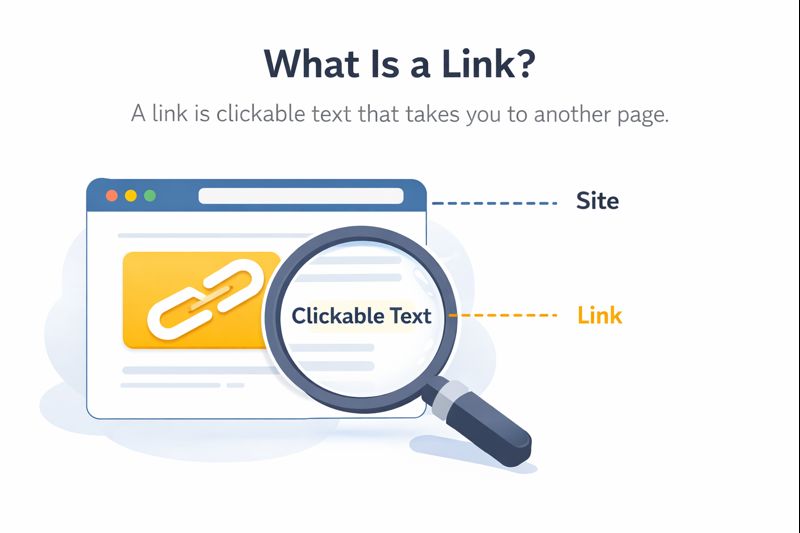
Anchor text is the clickable text used in a link.
Weak anchor text includes:
- Click here
- Learn more
- Read this
Strong anchor text describes the destination clearly:
- Concrete lifting for sinking driveways
- Mudjacking vs polyurethane foam lifting
- Concrete leveling services in Milwaukee
Anchor text helps search engines understand what the destination page should rank for, and it helps homeowners know what they’re clicking into.
Which Pages Should Link to Which?
A simple internal linking hierarchy works extremely well for concrete lifting websites.
Homepage
- Links to core service pages
- Links to priority city pages
- Links to key educational content
Service Pages
- Link to related problem-area pages
- Link to supporting educational articles
- Link back to a contact or quote page
City Pages
- Link to main service pages
- Link to local examples or case studies
- Link to contact and Google Business information
Blog & Educational Content
- Link to relevant service pages
- Link to related articles in the same topic cluster
- Link to city pages where appropriate
This structure creates relevance instead of competition between your own pages.
How Internal Linking Improves User Experience
Internal linking isn’t just about SEO—it improves usability.
A well-linked page:
- Keeps visitors on your site longer
- Answers follow-up questions naturally
- Reduces bounce rates
- Builds trust through education
When someone reads about concrete lifting costs, it makes sense to guide them to your process. When they compare poly vs mudjacking, it makes sense to guide them to your service page.
Common Internal Linking Mistakes
- Publishing pages with no internal links pointing to them
- Using the same anchor text repeatedly across many pages
- Linking only to the homepage
- Overloading pages with too many links
- Never updating older content to link to newer pages
Internal linking should be intentional, not accidental.
 A Simple Rule You Can Follow
If you want a practical guideline:
- Every new page should link to at least 2–3 existing pages
- Every important page should have 3–5 internal links pointing to it
- Anchor text should describe the destination clearly
You don’t need complex tools to start—just consistency.
Internal Linking Compounds Over Time
Every new article you publish creates new opportunities to strengthen older pages.
Over time, internal linking helps:
- Build topical authority
- Support priority services and cities
- Increase rankings across multiple pages
This is one of the reasons larger, well-structured concrete lifting websites consistently outperform smaller, shallow sites.
Final Thoughts: Internal Linking Is SEO Leverage
Internal linking isn’t flashy, and it rarely gets talked about—but it works.
For concrete lifting companies that want long-term visibility and predictable leads, it’s one of the most reliable SEO advantages available.
When your pages are connected logically and intentionally, search engines & AI engines understand your site better—and homeowners move through it more confidently.
As part of the LevelRight Marketing curriculum, internal linking is treated as a system, not an afterthought. It’s one of the foundations that turns content into traffic, traffic into trust, and trust into booked jobs.